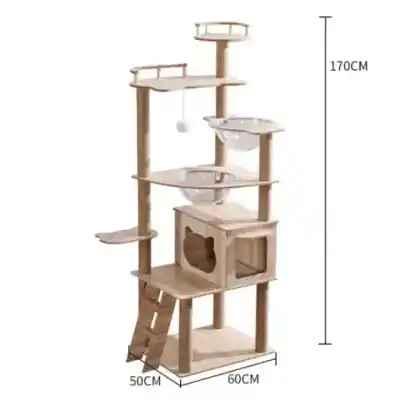
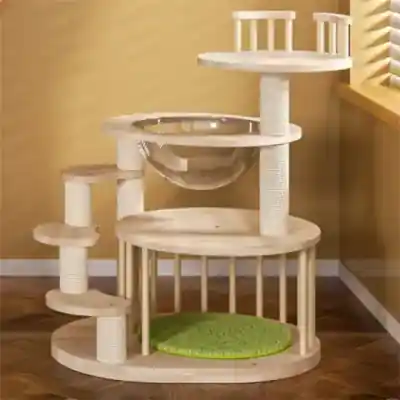
Start with the commercial brief, not the catalog photo
A wholesale cat tree request should begin with the buyer’s sales channel, target retail price band, destination market, order quantity and delivery model. A marketplace seller shipping individual parcels has different packaging priorities from a distributor sending full cartons to stores. A compact scratcher, a floor-to-ceiling system and a multi-level wooden tower should not be compared as if they solve the same use case.
Write the brief before requesting quotations. State the intended cat size range, indoor setting, preferred footprint, maximum packed dimensions, material direction, visual style, branding scope and target launch date. Mark each point as required, preferred or open. This prevents an attractive but unsuitable model from becoming the accidental reference for the whole project.
Ask every candidate supplier to answer the same brief. Comparable answers are more useful than a large file of unrelated quotations, especially when several manufacturing resources are being considered.
- Target market and sales channel
- Intended cat size range and household use
- Maximum assembled footprint and packed dimensions
- Required materials, colors and branding
- Order quantity, sample deadline and launch window
Compare the load path and structure
Cat tree quality is not determined by height alone. The buyer needs to understand how loads move from platforms and houses through posts, connectors and the base. Request an assembly drawing or a clearly dimensioned specification showing the base, post positions, platform sizes, board thicknesses and fastening method. If the design includes an enclosure, hammock or offset platform, confirm how those elements are supported.
Look for details that can change stability: a narrow base, a heavy upper house, long unsupported platforms, insufficient post spacing or connectors that loosen after repeated assembly. These are design questions, not claims that can be settled from a lifestyle image. Ask for an assembled sample and define practical stability checks for the intended product configuration.
For wall-anchored or floor-to-ceiling models, confirm the installation method, adjustment range, compatible surface conditions and instructions supplied to the customer. The packaging must contain the exact hardware described in the manual.
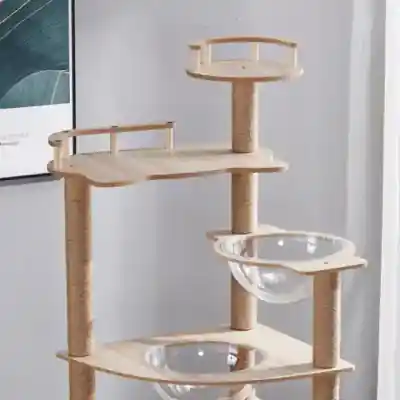
Verify materials at component level
A description such as ‘wood and sisal’ is too broad for a production specification. Separate the product into boards, posts, covering fabric, scratching rope, adhesives, metal fasteners, plastic fittings and removable accessories. Record the agreed material or measurable characteristic for each component rather than relying on a single marketing phrase.
For board components, confirm the board type, nominal thickness, surface finish and edge treatment. For solid wood parts, confirm species or agreed material description, finish and moisture expectations where relevant to the project. For rope, define the fiber, diameter, wrapping coverage and how the ends are secured. For textile surfaces, confirm composition, color reference, pile direction and attachment method.
Odor, loose fibers, exposed staples, sharp edges, adhesive marks and unfinished surfaces belong in the workmanship checklist. If the target market or buyer program requires restricted-substance testing or other documentation, confirm the applicable product, material, test method and responsible party before production. A certificate from another model should not be treated as evidence for the selected cat tree.
Convert every important material claim into a product-specific specification or an open verification item.
Make assembly part of product quality
Flat-packed cat furniture is experienced twice: first during assembly and then during use. A buyer should therefore review both the assembled product and the assembly process. Ask an inspector or sample reviewer to assemble the product from the retail pack using only the supplied parts and instructions. Record assembly time as an observation, but focus on whether the steps are clear, parts align and connections can be tightened without damage.
Create a bill-of-materials check for posts, panels, screws, washers, tools, caps and accessories. Hardware should be separated and labeled in a way that matches the instruction sheet. Confirm that pre-drilled holes are aligned, threads engage correctly and fabric does not obstruct connection points.
Instructions should identify the model, show the correct sequence and include market-appropriate safety or installation information where required. Any wall-fixing advice must match the supplied hardware and intended installation. Final wording should be reviewed for the destination market rather than copied between unrelated products.
- Assemble one packed unit using the supplied instructions
- Count and identify every hardware item
- Check hole alignment, threads and tightening
- Confirm labels in the manual match labels on parts
- Photograph the finished unit and any assembly finding
Define stability and durability checks before inspection
Terms such as ‘stable,’ ‘heavy duty’ and ‘durable’ are not inspection methods. The buyer, supplier and inspection team need an agreed protocol: product configuration, test surface, applied load or force, duration, acceptance criteria and evidence required. The method should reflect the actual design and intended users, and technical specialists should review safety-critical decisions.
A practical project plan may include visual checks for rocking, base contact and connector movement; dimension checks against the approved drawing; repeated assembly of selected connections; and controlled loading of platforms or beds. The exact values cannot be generalized across all cat trees. They must be defined and justified for the selected model.
Treat accessories separately. Hanging toys, elastic cords, bells and detachable parts introduce different failure modes from the furniture structure. Confirm attachment, foreseeable wear and replacement or removal decisions. If a feature may change the regulatory classification or testing scope in a destination market, obtain qualified compliance advice before the order is finalized.
Design packaging around damage risk and freight
Cat trees combine bulky panels, long posts, textile surfaces and hardware, so packaging is a commercial variable as well as a protective layer. Start with a packing diagram. Identify where panels can rub, where corners receive impact, where posts can move and where hardware could mark finished surfaces. Specify separators, bags, edge protection, hardware placement and carton closure accordingly.
Request confirmed carton dimensions and gross weight from the production-ready packing method, not an early estimate. Those figures affect freight calculations, warehouse handling and parcel eligibility. For e-commerce, discuss whether the packed unit needs a distribution test suitable for the buyer’s route. For retail, add artwork, barcode placement, handling marks and language requirements to the approval record.
If raw-wood pallets, crates or dunnage are used in international transport, check destination requirements. The International Plant Protection Convention’s ISPM 15 addresses phytosanitary measures for raw-wood packaging material; processed wood materials such as plywood and particle board are listed among exemptions in the standard. Confirm the current rule and compliant packaging route with the logistics provider for the actual shipment.
- Approved packing diagram and material list
- Carton dimensions and gross weight from final packing
- Protection for corners, surfaces and loose hardware
- Barcode, model, quantity and handling marks
- Pallet or crate requirements for the destination
Build a product-specific inspection plan
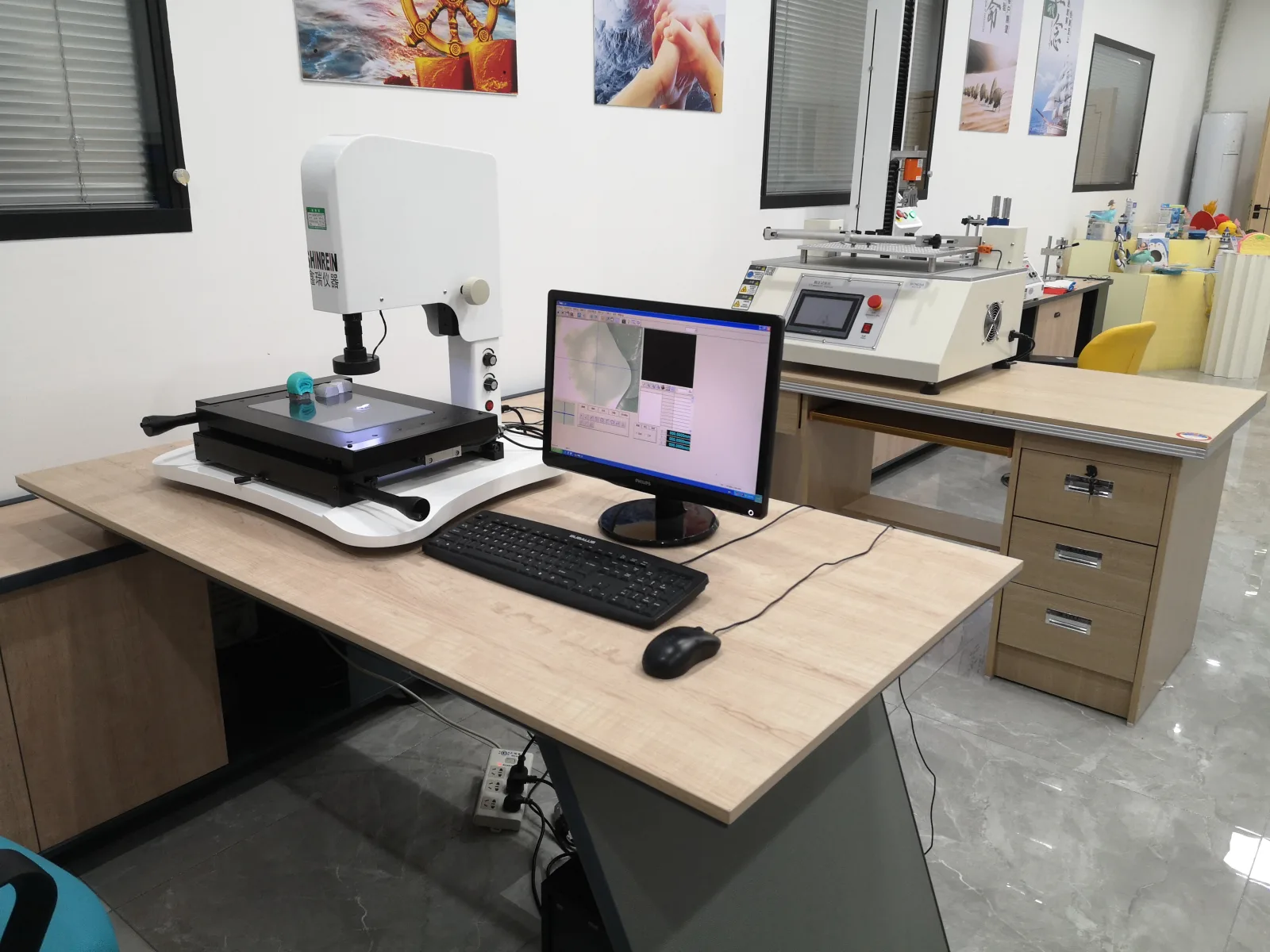
The approved sample, specification, bill of materials, artwork, instructions and packing standard should form one inspection pack. Divide defects into categories that matter to the order, such as safety-critical, functional, appearance, assembly, labeling and packaging. Describe examples and acceptance rules clearly enough that buyer, factory and inspector interpret them consistently.
Acceptance sampling is not the same as checking a convenient handful of units. ISO 2859-1:2026 defines AQL-indexed sampling schemes for lot-by-lot inspection by attributes. A buyer using acceptance sampling should select the applicable plan, inspection level and acceptance criteria with qualified quality personnel; the standard does not replace product-specific tests or regulatory obligations.
The inspection should also verify production identity and quantity. Check model references, color mix, carton count and packing configuration before dispatch. Findings need photographs, quantities and a disposition: accepted, corrected and rechecked, or escalated for buyer decision. Allow time between inspection and shipment so corrective action is possible.
AQL is a sampling framework, not a universal quality promise and not a substitute for defining defects.
Keep market compliance separate from supplier claims
General cat furniture may fall under broad consumer-product safety rules, while electrical additions, toys or other features can introduce additional requirements. In the European Union, the General Product Safety Regulation provides the safety-net framework for non-food consumer products. In the United States, the CPSC explains that importers can carry product-safety and certification responsibilities depending on the product and applicable rules.
The practical sourcing lesson is to identify the destination, product features and economic-operator roles early. Ask which requirements apply, who will arrange testing or technical documentation, what product identification and traceability information is needed, and how online-listing information will be supported. Do not ask only, ‘Do you have CE?’—many general products are not assessed through a single generic CE certificate, and applicability depends on the product.
This article is a procurement framework, not legal advice. Buyers should confirm the current rules for their product and market with qualified compliance professionals. NCIPET can coordinate product information, partner-factory communication and project-specific documentation, but requirements must be verified for the selected product.
Use a staged sourcing process
A disciplined buying process reduces late surprises. First, shortlist products against the commercial brief. Second, collect comparable specifications and identify open questions. Third, review a physical sample and packaging concept. Fourth, freeze the production specification, artwork and inspection plan. Fifth, follow production milestones and inspect against controlled references. Finally, confirm packing data and shipment readiness.
Each stage should end with a decision record. Note what was approved, what changed, who confirmed it and which items remain open. When several factories or product categories are consolidated, use the same status format across the order so the readiness of one cat tree model is not confused with another product.
NCIPET’s role is to stay close to these handoffs: product matching, factory communication, sampling, production follow-up, dedicated inspection and delivery coordination. Product availability, MOQ, customization, timing and documentation are confirmed for each inquiry.
- Commercial brief approved
- Comparable specification completed
- Physical sample and packaging reviewed
- Production file and artwork frozen
- Inspection findings closed before shipment
Buyer checklist before placing a wholesale cat tree order
Use this final check as a meeting agenda, not a substitute for the full specification. Any ‘yes’ answer should point to evidence: a drawing, sample, test method, approved artwork, inspection record or logistics confirmation.
- Is the target user, channel and destination market defined?
- Are assembled and packed dimensions confirmed?
- Are board, post, rope, textile, adhesive and hardware details recorded?
- Has a physical sample been assembled from the retail pack?
- Are stability and durability methods defined for this model?
- Are instructions, labels, barcode and artwork approved?
- Is the final packing method reflected in carton data?
- Are sampling and defect classifications agreed?
- Are market-specific compliance questions assigned to qualified owners?
- Is there time to correct inspection findings before dispatch?
Frequently asked questions
What should a wholesale cat tree quotation include? At minimum, request the exact model, materials, assembled size, packed size, gross weight, MOQ, unit-price basis, customization scope, sample terms, production timing and what is excluded. Keep unconfirmed values visibly provisional.
Can one sample prove bulk-order quality? No. A sample helps approve design, materials, appearance, assembly and packaging direction. Bulk production still needs controlled specifications, process follow-up and an agreed inspection plan.
Should every cat tree use the same load test? No. The method and acceptance values should match the structure, intended user and market requirements. Generic values copied from another model can create false confidence.
How should buyers compare two suppliers? Send both the same brief and comparison sheet. Compare verified construction, packing, inspection readiness, communication quality and total delivery implications—not only the quoted unit price.
When should packaging be finalized? Develop it during sampling, then confirm it using the production-ready unit before final freight and inspection decisions. A late packaging change can alter carton dimensions, protection and labeling.