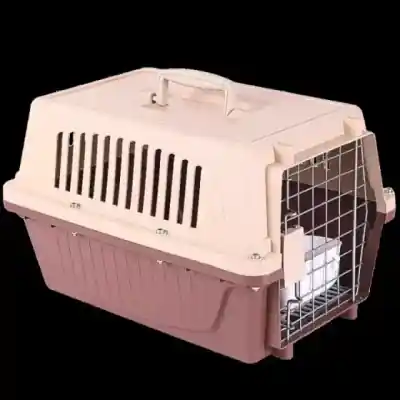
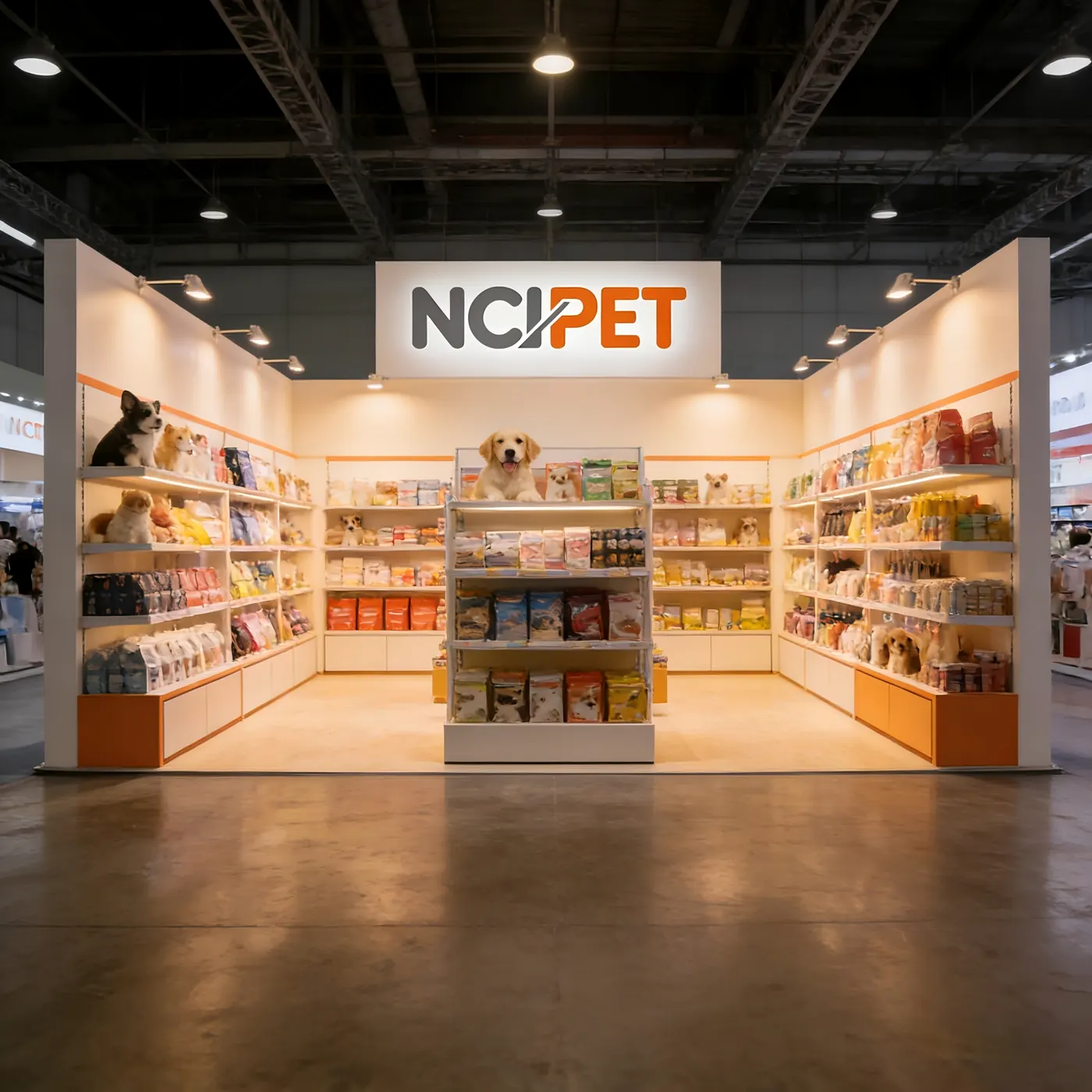
Start with the buyer and channel
A product for a specialty retailer may need a different size range, packaging story or price position from one intended for a marketplace seller. Define the target buyer and channel before narrowing the catalog.
Review practical product fit
Consider how the item will be displayed, shipped, stored and explained to the end customer. Bulky furniture, wearable products and smart devices create different packaging and information needs.
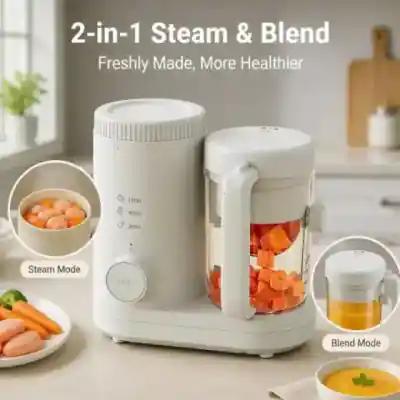
Raise documentation questions early
Requirements depend on the product, materials, functions and destination. Ask what testing or documentation may be needed before confirming the manufacturing route.
Separate non-electrical products from electrical, battery-powered and connected products during the first review. A smart fountain can add water-contact materials, pump and power components, charging, software or battery-transport questions that do not apply to a simple bowl. Record which requirement belongs to which final SKU, component configuration and market.
This guide is not legal or certification advice. Review product-specific requirements with qualified specialists and the selected manufacturing partner.
Never assume that a document for one product automatically applies to another.
Design packaging for the route to market
Confirm language, labels, barcodes, instructions and carton requirements. For e-commerce, product protection and shipping dimensions may carry more weight; for retail, shelf presentation can be equally important.
Build a shortlist that can be verified
Keep a written comparison of product facts, MOQ, customization scope and open questions. NCIPET can coordinate suitable options and confirm details during quotation and sampling.