Start with the use case, not the feature list
Smart pet products sourcing begins with a household problem and a defined user, not with a catalogue of Wi-Fi, camera and app claims. A feeder for a single indoor cat, a battery fountain for travel and a camera used by a multi-pet household create different operating conditions. State the pet type, location, daily routine, destination market, sales channel and expected service life before comparing quotations. Then separate the functions that are essential from functions that are only commercially interesting.
Convert each desired function into an observable outcome. Instead of requesting a ‘smart feeder’, define portion range, meal schedule, kibble size, power-loss behaviour, jam alert, food-contact parts and cleaning route. Instead of requesting ‘AI monitoring’, define what the camera records, where data is processed, who owns the account, which alerts are expected and what happens when the network fails. This discipline prevents a visually similar sample from being accepted even though it cannot support the buyer’s real product promise.
- Target pet, household and sales channel
- Required function and measurable outcome
- Destination market and responsible economic operator
- Expected app, cloud and spare-part support
- Packaging, language and launch quantity
Separate the major smart product categories
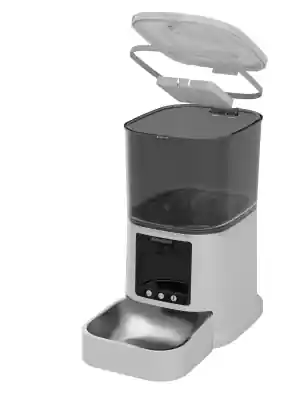
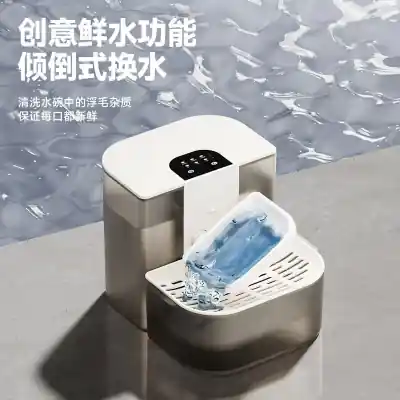
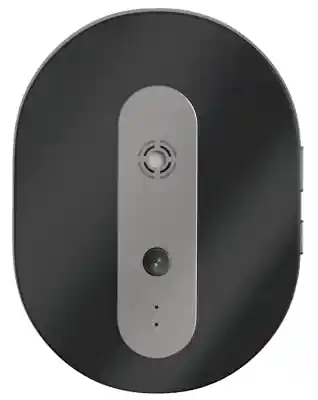
Feeders handle dry food, moving mechanisms and timed delivery. Water fountains combine water-contact materials, pumps, filters and cleaning. Monitoring devices add cameras, microphones, radio modules, accounts and privacy questions. Interactive toys add movement, impact, charging and supervision considerations. Smart litter boxes add load sensing, moving parts, waste handling and anti-trap controls. Dryers, climate beds and odor-control devices add heat, airflow or chemical-product questions. One generic checklist cannot responsibly cover all of these risks.
Build a category-specific specification before asking a smart pet product manufacturer for samples. Shared fields can include model identity, dimensions, materials, power and packaging, but the functional section must change. For a feeder, inspect portion consistency and anti-jam behaviour. For a fountain, inspect flow, leaks and low-water response. For a camera, inspect pairing, permissions, image quality and account recovery. For moving toys, inspect entrapment points, impact surfaces and automatic-stop behaviour. NCIPET can coordinate this product-by-product confirmation with suitable partner factories.
Freeze power, voltage and charging information
Record the rated input, adapter output, connector, cable length, plug option and whether an adapter is actually included. A USB cable in the box does not automatically mean that every charger is suitable. Confirm the production accessory model and artwork together, because electrical ratings on the device, packaging, instructions and quotation must agree. If batteries can provide backup power, state whether the product automatically switches modes, what functions remain available and how the user sees remaining charge.
For rechargeable products, keep the exact cell or pack identity connected to the approved sample. Record chemistry, nominal voltage, capacity, protection circuit, charging method, replacement policy and transport documentation. IATA publishes current guidance for shipping lithium batteries; classification, state-of-charge conditions, UN 38.3 evidence, packing and carrier acceptance must be confirmed for the actual shipment. Do not treat a report for a similar battery as evidence for an unverified substitution. Any component change after validation should trigger a documented review.
The approved electrical configuration must match the device label, instructions, retail pack and shipping documents.
Define connectivity and app dependency
Write down whether the product uses Wi-Fi, Bluetooth or another radio interface, which frequency bands are supported and whether a phone is required for setup or everyday use. Confirm supported operating systems, app-store availability in the target markets, account creation, permissions, language options, multi-user sharing and behaviour after a router, phone or cloud outage. A product that works only while the supplier maintains a cloud service creates a different commercial commitment from one with useful local controls.
App screenshots are not an acceptance test. Pair the production-intent sample with supported phones, exercise every advertised control, remove and restore power, change networks and test account recovery. Record firmware and app versions with the sample approval. Decide how updates will be communicated and what support route applies when pairing fails. For camera or microphone products, buyers should obtain qualified advice on privacy, cybersecurity and connected-product requirements in each target market. The European Commission identifies Wi-Fi and Bluetooth smart appliances as radio equipment within the Radio Equipment Directive framework.
Control food- and water-contact components
For feeders and fountains, create a component list covering every part that contacts food or water: bowl, reservoir, tubing, pump housing, seals, coatings, filter media and adhesives. Generic phrases such as food grade, stainless steel or BPA free are not enough to identify a production material. Record material grade or supplier declaration, color, finish and component source where relevant. Evidence should correspond to the final component and intended conditions, not to an unrelated resin or earlier model.
Cleaning is part of the product requirement. Ask a reviewer unfamiliar with the product to disassemble, wash, dry and reassemble the sample using the proposed instructions. Check hidden cavities, pump access, seals, food-path removal and parts that must not be immersed. Verify that reassembly does not create leaks, jams or electrical exposure. Any hygiene, purification or contaminant-removal claim needs product-specific support and market review; the sourcing team should not turn a filter or odor-control feature into an unsupported health claim.
- Exact water- or food-contact component list
- Material identity and supporting documents
- Cleaning and reassembly sequence
- Replacement filters, bowls or seals
- Claims reviewed for the final configuration
Run a structured sample-validation process
Use a written sample plan rather than informal approval by photograph. Start with identity and completeness: model, color, power accessory, firmware, app, bowl, filter and included parts. Continue with dimensional and workmanship checks, then run category-specific functions. Repeat important actions enough times to reveal intermittent problems. Record setup, equipment, duration and acceptance criteria so the factory, buyer and inspector understand the same test.
Treat the sample as a controlled reference. Photograph labels and internal components where practical, record version numbers and list every approved deviation. If a later sample fixes one problem, do not assume earlier approvals automatically carry forward; compare the complete configuration. Packaging samples should contain the final accessory set and instructions because missing filters, wrong plugs or outdated QR codes can make otherwise functional hardware unusable. Approve mass production only after open items, artwork and test methods have named owners and due dates.

Align hardware, firmware, app and packaging
A smart product is a system. Hardware can be correct while the wrong firmware changes portion settings, sensor behaviour or language. An app can be correct while the QR code in the instruction booklet points to an old listing. Packaging can show a camera, battery or accessory that the ordered SKU does not include. Build one configuration matrix that identifies the device model, hardware revision, radio module, firmware, app name and version, accessory set, packaging artwork and destination market.
Freeze this matrix before production and use it during inspection. Where several versions share the same housing, strengthen identification at incoming material, assembly, finished-goods and packing stages. Barcodes and carton marks should distinguish the exact SKU. If the factory proposes a component replacement, review function, documents, firmware compatibility and artwork impact before accepting it. Change control is especially important for private label smart pet products because the brand, rather than the original catalogue, will receive customer questions.
One approved system configuration is more useful than separate approvals that cannot be matched to the same SKU.
Confirm market-specific compliance early
There is no single certificate that makes every smart pet product suitable for every market. The applicable route depends on electrical input, radio function, battery, materials, intended use, claims, accessories and destination. In the EU, connected radio products may engage the Radio Equipment Directive; electrical and electronic components may require review under RoHS and other applicable rules. Food- and water-contact components require their own material assessment. Packaging, waste, battery, privacy and product-safety obligations may also be relevant.
Ask qualified compliance specialists to create a requirement matrix for the final SKU and responsible operator roles. Link each declaration, report and technical document to the exact model and component configuration. Check the laboratory scope, sample identity, standard version and dates. For North America and other markets, confirm the relevant electrical, radio, labeling and commercial requirements with appropriately qualified advisers. NCIPET coordinates factory information and project documents, but does not imply that one document covers every product, factory or order.
- Final SKU and destination market
- Applicable legislation and standards
- Responsible manufacturer, importer and distributor roles
- Document owner and product identity
- Artwork, labels, instructions and traceability
Plan production quality control in layers
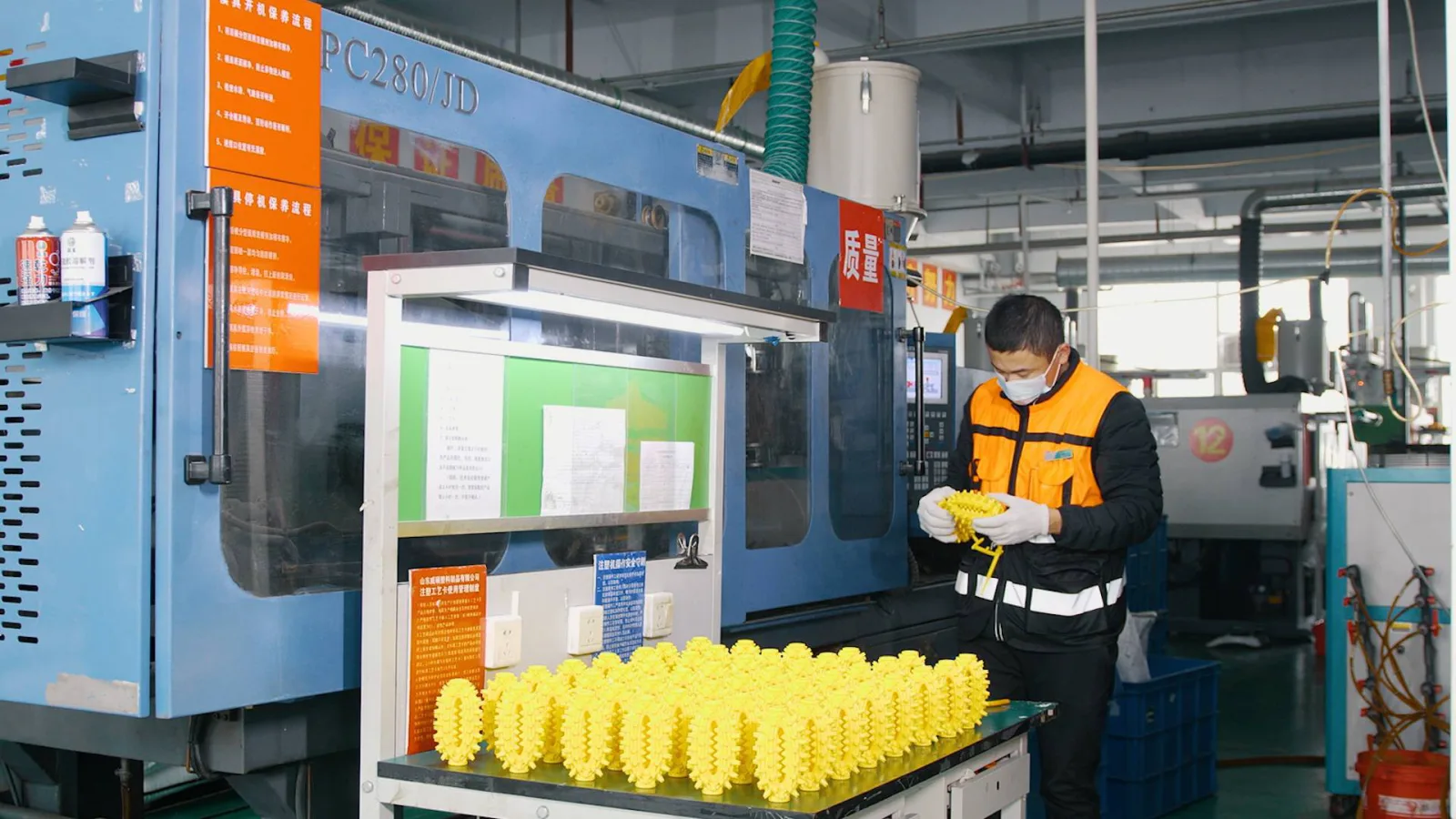
Incoming inspection should verify controlled components such as pumps, motors, sensors, radio modules, batteries, adapters, bowls and seals. In-process checks should focus on assembly, connectors, routing, torque, sealing, calibration and version control. Functional testing should exercise the actual features of the ordered configuration. Pre-shipment inspection should combine identity, quantity, workmanship, dimensions, accessories, labels, packaging and agreed function checks against the approved sample and specification.
Sampling does not replace design validation or safety work. ISO 2859-1 provides AQL-indexed sampling schemes for inspection by attributes, but qualified quality personnel must select the plan and acceptance criteria for the order. Critical functions may need dedicated test coverage beyond a general sample. Leave enough time to correct and recheck findings before dispatch. Records should identify the exact SKU, lot, sample size, method, result, photographs and disposition rather than simply stating that quality was checked.
Prepare spare parts and after-sales support
Wholesale buyers should decide which failures can be solved with a part and which require complete-unit replacement. Common support items include pumps, filters, bowls, lids, seals, cables, adapters, wheels, batteries or toy covers, depending on the category. Confirm part identifiers, compatibility, pack quantity, forecast, storage life and how customers will recognize the correct version. A replacement part is only useful if instructions and access make installation realistic.
Create a fault-report template that captures model, serial or batch information, firmware, app version, phone type, photos, video and the steps already tried. Agree who handles first-line questions and escalation. Define a reasonable supply route for consumables and warranty replacements before launch. Avoid promising permanent cloud or app support unless the responsible provider has made a documented commitment. The commercial quotation should distinguish product price from optional spare-part packs, tooling, development, testing and ongoing software services.
- Replaceable-part list and compatibility
- Troubleshooting and evidence template
- Warranty and escalation responsibilities
- App and firmware support ownership
- Consumable and spare-part forecast
Choose OEM or ODM with the real risk in view
OEM customization of an established model may focus on logo, color, packaging, instructions and an approved accessory set. It can reduce development scope, but the buyer still needs evidence that the selected version meets requirements. ODM work can change mechanics, electronics, radio modules, firmware, app functions or industrial design. Those changes increase the need for engineering ownership, prototypes, validation, tooling control, intellectual-property review and schedule contingency.
Define which party owns artwork, tooling, firmware, app accounts, cloud data, source code access, test fixtures and technical files. State whether the brand can change manufacturing partners or service providers later. A low unit price can hide dependence on a proprietary module or cloud platform. Compare total program cost, minimum order, development fees, certification work, spare parts, support and lifecycle risk. NCIPET helps buyers match the project with suitable manufacturing resources and coordinates samples, production follow-up and inspection.

Buyer checklist before placing the order
Before signing off, review the project as one connected system. The quotation should identify the exact model, version, quantity, MOQ, price basis, incoterm, sample terms, customization, documentation scope and timing. The approved sample, specifications, configuration matrix, artwork, instructions, packing method and inspection plan should point to the same SKU. Open compliance or software questions need owners and deadlines rather than optimistic assumptions.
Finally, confirm carton quantity, dimensions, weight, battery status, shipping marks and handling. Verify that the logistics route accepts the battery configuration where applicable. Reserve time for pre-shipment inspection and correction. Ask how future component or app changes will be communicated. For smart pet supplies wholesale, a clear change-control and support plan protects the buyer long after the first shipment arrives.
- Use case and measurable functions frozen
- Hardware, firmware, app and accessories matched
- Materials and cleaning route confirmed
- Market-specific compliance plan assigned
- Inspection methods and defect criteria approved
- Spare parts and support responsibilities agreed
- Final packaging and shipment data verified
Frequently asked questions
Should every smart pet product have an app? No. App dependency should solve a real user need and justify the added pairing, privacy, software and support obligations. Local controls and useful offline behaviour often improve resilience.
Can a supplier’s existing reports be reused? Possibly, but only after qualified review confirms that the documents identify the final product, components, standards and destination requirements. Similar appearance is not enough.
What should buyers test first? Start with core function under normal and failure conditions: power interruption, low food or water, jam, network loss, charging and restart. Then test cleaning, accessories and packaging.
How long should sampling take? It depends on product maturity and customization. Set milestones for initial function, revised samples, packaging and production-intent approval rather than promising one universal duration.
How does NCIPET support the project? NCIPET coordinates sourcing, suitable factory resources, samples, customization, production follow-up, dedicated inspection, consolidation and delivery. Product-specific facts and requirements are confirmed for the selected order.
Discuss your smart pet product requirements
Send the product type, destination market, quantity, required functions, branding and preferred launch timing. Include any current specification or reference images, but mark which features are essential. The NCIPET supply chain team can build a comparable shortlist and identify the product, software, documentation and inspection questions that need confirmation before quotation and sampling.